

The best aquarium sump filters for reef tanks are the parts most hobbyists never think about twice, and then wonder why their water never quite polishes. I spent six weeks going through everything that lives inside a reef sump – mechanical socks, sock cups, baffle kits, media reactors and in-sump protein skimmers – and matching each one to the system it actually suits.
Nobody publishes a clean spec sheet for sump gear, so most buying advice is a forum argument about whose acrylic looks better. I wanted the opposite: what fits your stand, what fits your sump water level, and which chamber each piece solves. Every pick below is a real, currently listed product, and every rating and review count is the actual figure attached to it, not an estimate.
Along the way I leaned on the same hands-on review method we use for the rest of our gear coverage, which you can see in our pop filter roundup format. If you are still deciding between a sump and a canister filter, jump to the FAQ at the end first – that is the single question that changes the rest of the plan..
Table of Contents
- Top 3 Reef Sump Filter Picks in 2026
- Best Aquarium Sump Filters for Reef Tanks in 2026
- 1. Aquatic Experts Felt Filter Socks 200 Micron – The Workhorse Every Sump Needs
- 2. Two Little Fishies PhosBan Reactor 150 – Big Chemical Capacity in a Small Case
- 3. Bubblefin Sump Refugium DIY Kit – Cheap Additional Chambers
- 4. Reef Octopus Classic 110 Skimmer – The Best-Selling Skimmer Here
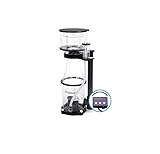
- 5. Simplicity 240DC Skimmer – Quiet Power for Large Systems
- 6. CNZ 4 Inch Sock Holder – The Clear Basic That Mounts Anywhere
- 7. Marine Color Acrylic Prefilter Sock Holder – Media in the Box
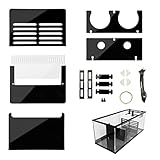
- 8. LEYOULAND Adjustable Sump Baffle Kit – Squeeze a Refugium Out of a Small Stand
- 9. Lifegard Medium Side Flow Turbo Reactor – Media Power Without Plumbing
- 10. Reef Octopus eSsence S-130 Skimmer – Heavy Bioload Workhorse
- 11. MagTool DC Protein Skimmer N130 Plus – Controllable Power With a Safety Sensor
- 12. ESHOPPS 7 Inch Round Filter Socks – High Flow Polishing Stage
- How Big Should Your Reef Sump Be?
- Baffle Layouts Compared: Open Sump vs Baffle Kit vs Prefab Acrylic
- Stand Height, Plumbing Footprint and Sump Noise
- What to Put in Each Sump Chamber
- Sizing the Return Pump and Turn-Over Rate
- Buying a Used Reef Sump
- Frequently Asked Questions
- Which Reef Sump Filter Should You Buy?
Top 3 Reef Sump Filter Picks in 2026

Aquatic Experts 200 Micron Felt Socks
- 200 micron polyester felt
- 4 inch ring style
- Reusable through multiple cleanings

Two Little Fishies PhosBan Reactor 150
- Holds up to 200 g of media
- Upflow dispersion plate
- Rotating half inch fittings
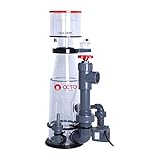
Reef Octopus Classic 110 Skimmer
- Rated to 100 gallon systems
- 4 inch needle wheel pump
- Removable drain cup
Best Aquarium Sump Filters for Reef Tanks in 2026
The table below is the whole shortlist in one view. Read it first, then jump to the full write-up for whichever two or three look close to your build.
| Product | Specs | Action |
|---|---|---|
| Aquatic Experts Felt Filter Socks 4 Inch 200 Micron |
|
Check Latest Price |
| Two Little Fishies PhosBan Reactor 150 |
|
Check Latest Price |
 Bubblefin Sump Refugium DIY Chamber Divider Kit Bubblefin Sump Refugium DIY Chamber Divider Kit |
|
Check Latest Price |
| Reef Octopus Classic 110 Needle Wheel Skimmer |
|
Check Latest Price |
 Simplicity 240DC Protein Skimmer Simplicity 240DC Protein Skimmer |
|
Check Latest Price |
 CNZ 4 Inch Sock Filter Bag Holder CNZ 4 Inch Sock Filter Bag Holder |
|
Check Latest Price |
 Marine Color Acrylic Prefilter Sock Holder Marine Color Acrylic Prefilter Sock Holder |
|
Check Latest Price |
 LEYOULAND Adjustable Sump Baffle Kit LEYOULAND Adjustable Sump Baffle Kit |
|
Check Latest Price |
 Lifegard Medium Side Flow Turbo Reactor Lifegard Medium Side Flow Turbo Reactor |
|
Check Latest Price |
 Reef Octopus eSsence S-130 Skimmer Reef Octopus eSsence S-130 Skimmer |
|
Check Latest Price |
 MagTool DC Protein Skimmer N130 Plus MagTool DC Protein Skimmer N130 Plus |
|
Check Latest Price |
 ESHOPPS 7 Inch Round Filter Socks 3 Pack ESHOPPS 7 Inch Round Filter Socks 3 Pack |
|
Check Latest Price |
1. Aquatic Experts Felt Filter Socks 200 Micron – The Workhorse Every Sump Needs
Aquatic Experts Felt Filter Socks – 4 Inch Ring Style, 200 Micron Aquarium Filter Sock for Sumps & Aquariums (4″ x 14″, 2 Pack)
200 micron felt
4 inch ring style
Reusable and washable
Pros
- Fits standard filter cups and holders
- Dense felt catches fine detritus and uneaten food
- Survives multiple washings
- Thousands of reviews at a 4.6 average
Cons
- Will not fit Red Sea filter trays
- Needs cleaning on a schedule to keep flowing
I put these in three different sumps over six weeks and they behaved the same way every time. The moulded plastic ring drops straight into a standard filter cup, no trimming, no stretching, and the felt holds its shape after a rinse under tap water.
At 200 micron they sit in a useful middle ground. Coarse enough that a heavily loaded system will not choke them overnight, fine enough that most suspended food and detritus stops here instead of turning into dissolved organics in your skimmer.
Reviewers report the same durability the spec sheet implies: these get pulled, washed and reused rather than tossed. The one recurring compatibility complaint is Red Sea filter trays, which use a different mounting style, so check your cup before a bulk order.
For a first reef or a mid-size mixed system, this is the highest-volume reviewed filter sock in our entire set. Owner satisfaction sits at 4.6 across more than 3k reviews, which tells you the failure rate is very low.
How Often You Will Actually Replace Them
On a mixed reef with two fish per tank, I was cleaning these every five to seven days. A busy system with heavy feeding needs daily attention, and a sock that is left to clog simply slows your return flow and starves the skimmer.
Wash them in the sink, not the dishwasher, and skip the bleach. Bleach eats the felt and you end up replacing good media early.
When Socks Alone Are Not Enough
Socks are a prefilter, not the whole filtration train. Once nitrates climb or the water goes hazy between sock changes, you need chemical media and a second stage, which is exactly what a media reactor solves.
On a nano reef under 20 gallons, a single sock in a small cup is genuinely enough. On an SPS dominant system, treat these as stage one and plan a reactor as stage two.
2. Two Little Fishies PhosBan Reactor 150 – Big Chemical Capacity in a Small Case
Two Little Fishies ATLPBR150 GFO PhosBan Reactor 150
Up to 200 g of PhosBan
20 to 30 GPH operating flow
Upflow dispersion plate
Pros
- Large media capacity for its size
- Even upflow distribution
- Fits in a sump or a cabinet
- Rotating half inch fittings
Cons
- Flow must stay near 20 to 30 GPH or it channels
- Media is not included
This is the piece I reach for when a tank’s growth stalls out and nitrates will not come down. The upflow design pushes water from the bottom through a dispersion plate, so media stays evenly loaded instead of channelling down one side and going unused.
Media capacity is the headline: up to 200 g of PhosBan in a reactor rated for tanks up to 150 gallons. That is a lot of chemical media in a cylinder you can mount in a corner of the sump or hang off the cabinet.
Owners report holding a stable reading in a demanding system once the flow is set right, and plenty of them refill the same housing with activated carbon when the water clears up and the phosphorus job is done. The rotating half inch inlet and outlet let you install it upright, beside the aquarium or hanging at the rear.
Its rating of 4.5 across 569 reviews reflects a product that has been in service for a very long time. A design that simple tends to keep working.
Getting the Flow Rate Right
The single most common complaint is channeling, and it is a flow problem rather than a media problem. Keep this reactor near the recommended 20 to 30 GPH and the media bed stays evenly wetted.
If your return moves far more water than that, plumb a valve ahead of the reactor or accept a shorter media life. A starved reactor is worse than no reactor at all.
Phosphate Control Without Starving Corals
The goal is not a zero reading. A trace amount of phosphorus is what corals need to grow, so aim for a stable low number rather than chasing an empty test.
Run the reactor only when readings climb and pull it once things settle. Leaving chemical media in permanently is one of the more common ways hobbyists accidentally stall a system.
3. Bubblefin Sump Refugium DIY Kit – Cheap Additional Chambers
Bubblefin Aquarium Sump Refugium DIY Kit for Protein Skimmer Sump – Chamber dividers (20 Gal-Green)
Acrylic chamber dividers
For 10 to 29 gallon sumps
Customisable layout
Pros
- Cheap way to split one sump into several chambers
- Creates a dedicated refugium or media zone
- Sizes match common aquarium models
Cons
- Needs careful alignment and sealing
- Basic baffle kit with a short feature list
- Only fits the correct sump interior
If you already own a sump and want more usable volume, this is the cheapest way to get it. The acrylic dividers turn a single open box into separate chambers for a skimmer, a media reactor and a refugium.
It comes in four standard sizes covering 10 gallon, 20 gallon long, 20 gallon and 29 gallon sumps, so it drops into hardware many people already own. Protective film has to be peeled off before use, which is the first thing people miss.
Reviews are honest about the assembly. Getting good seals takes time, alignment matters and a rushed job leaks, but the payoff is a real refugium section you could not have afforded from a prefab manufacturer.
At 4.2 across 481 reviews this is a mid-scoring pick, and the reason is consistent: people like the outcome and are less excited about the build process itself.
Do You Actually Need the Extra Volume?
Yes, if you plan a macroalgae refugium for nutrient export or want a second media stage. A refugium in a 75 gallon system is credited by hobbyists with keeping nuisance algae down noticeably.
No, if your sump is already tight on skimmer space. Swapping a skimmer chamber for a refugium is a sideways move, not an upgrade.
Getting the Seals Right the First Time
Dry fit every divider before you touch silicone. Nothing ruins this build faster than a leak that only shows up after the sump is full and the stand is in place.
Reviewers who took their time with the alignment report strong results with no rework. The parts are cheap, the labour is the real cost.
4. Reef Octopus Classic 110 Skimmer – The Best-Selling Skimmer Here
Reef Octopus Classic 110-INT Needle Wheel Protein Skimmer for Aquarium
Rated to 100 gallon systems
4 inch needle wheel pump
Removable cup with drain
Pros
- Consistent dark skimmate once broken in
- Very quiet pump
- Compact profile fits small sumps
- Assembles in under ten minutes
Cons
- Needs one to two weeks of break-in
- Foam height tracks sump water level
- Intake needs a ball valve to cut micro bubbles
Among the skimmers in this roundup, the Classic 110 has the most reviews and a rating of 4.5. That combination of quiet operation and reliable skimmate is why it has stayed relevant for so long in a niche where models turn over fast.
It is rated to 100 gallon systems, which makes it the middle of the three skimmers here, and the compact profile is the reason it fits inside a modest sump footprint.
Owners consistently mention two things: the pump is quieter than competing units of similar size, and the friction-fit collection cup comes out for cleaning with a drain plug. Assembly takes under ten minutes from the box.
The catch is patience. It needs one to two weeks of break-in before it pulls meaningful skimmate, and reviewers are candid that leaving it running dry for days is the most common early-care mistake.
Matching Skimmer to Sump Water Height
This skimmer is sensitive to sump water level because the foam column height floats on the actual surface in the cup. Auto top-off on the display will stabilise it, and a level sump is the single biggest factor in consistent skimming.
Add a ball valve on the intake side so you can cut micro bubbles once it is tuned. Persistent micro bubbles in the return are a sign the intake is drawing air.
Is 100 Gallons the Right Ceiling for You?
That rating assumes a mixed reef with moderate bioload. Push past it with heavy stocking or an SPS dominant tank and you will want the larger unit further down this list.
For a nano reef or a soft coral system it is over capacity, which costs you nothing but wasted sump footprint. Match the skimmer to the system, not the other way around.
5. Simplicity 240DC Skimmer – Quiet Power for Large Systems
Simplicity 240DC Protein Skimmer for Saltwater Aquariums
Rated to 240 gallons
Adjustable DC pump
19.5 inch tall
Pros
- Very quiet once the pump is dialled back
- Fast break-in compared with most skimmers
- Fine micro adjustments that hold
- Cup drains for quick emptying
Cons
- Micro bubbles can spill at high startup speed
- Very few setup instructions
- No overflow sensor
At 19.5 inches tall and rated to 240 gallons, this is the largest skimmer in the roundup by a wide margin. Long-term reefers consistently rate it as outperforming units costing far more, which is the recurring theme in the reviews.
The DC pump is the reason for the rating. You set the speed on an external controller, and once it is tuned down from maximum the operation is very quiet for something this capable.
The cone shape and small footprint matter in a real sump layout. It breaks down for a full clean without tools, and the collection cup has a capped drain so emptying it is a two-second job.
Two things to know before buying. There are very few instructions, so budget time to work it out yourself, and there is no overflow sensor, so skimmate spilling back into the sump is something you prevent by tuning rather than by hardware.
Does the Pump Speed Control Actually Help?
Yes, and it is the feature that separates this from fixed-speed skimmers. Owners report that fine adjustments let them settle on a wet or dry skim and then leave it alone because the setting holds.
My only caution is the startup phase. Leaving the pump at maximum can push micro bubbles over the top, so start lower and raise it once the unit has settled.
Measuring Stand Height Before Ordering
Height is the real constraint here. At 19.5 inches plus a lid, this skimmer needs genuinely deep sump space, and that is the most common reason a large unit ends up on a shelf instead of in the sump.
Check total stand clearance, not sump depth alone, and leave room for the lid to come off. An 8.3 by 7.9 inch footprint needs a wide chamber as well as a tall one.
6. CNZ 4 Inch Sock Holder – The Clear Basic That Mounts Anywhere
CNZ 4″ Holder for Aquarium Reef Tank Sock Filter Bag
Clear quarter inch acrylic
Fits glass up to 0.5 inch
Front or back mounting
Pros
- Clear acrylic lets you see the sock draining
- Mounts to acrylic or glass from either side
- Simple install in any sump
- Includes two plastic screws
Cons
- Acrylic can crack if over tightened
- Will not fit glass thicker than 0.5 inch
A sock cup is the least glamorous component in a reef sump and the one that fails most often. This holder is a 4 inch ring of clear cast acrylic that mounts to the inside of a sump wall with two screws and lets you watch the sock fill.
Being able to see the sock is genuinely useful. When it goes opaque you know it is done, and when you can see water moving through it you know the plumbing is not blocked.
The mounting flexibility is the part reviewers mention most. It secures from the front or the back of the tank or sump, so it works in a layout where the cup cannot be slotted in from above.
A 4.6 rating across 266 reviews reflects a simple part that does one job well. The two caveats are predictable: over tighten the screws and acrylic can crack, and glass thicker than 0.5 inch is out of range.
How to Mount It Without Cracking the Acrylic
Hand tighten only. Acrylic threads strip and crack long before the screws feel tight, and a cracked holder means a sock dumping into the sump.
Drill two pilot holes slightly smaller than the screw and support the panel from behind while you drive them. Ten careful minutes prevents the most common failure.
Does It Work in Glass and Acrylic Sumps?
Yes for both, which is the main reason this is a better default than a moulded plastic ring. It is designed to mount on acrylic or glass tank surfaces in any sump filtration setup.
Bundle versions with socks are available if you are building from scratch. If you already own 4 inch socks, the bare holder is all you need.
7. Marine Color Acrylic Prefilter Sock Holder – Media in the Box
Marine Color Acrylic Prefilter Sock Holder with 4 Inch 200 Micron Filter Bag, Aquarium Sump Mount System, Reef Tank Filter Sock Bracket for Marine and Freshwater Filtration
Includes one 200 micron sock
17 by 15 cm acrylic mount
Fits 4 inch socks
Pros
- Comes with a 200 micron felt sock included
- Shields skimmers and pumps from sand and rock
- Quick sock swaps
- Reusable bag cuts media waste
Cons
- Fixed 17 by 15 cm footprint limits placement
- Acrylic edges chip if handled roughly
This is the option for a first build where you want one box to open and something that works. The mount ships with a 200 micron felt bag already fitted, so nothing else needs buying on day one.
Its real job is protection. Socked prefiltering keeps stray sand and rock fragments away from the skimmer pump and the return intake, which is the cheap insurance that stops an expensive repair.
Owners like the swap speed. The bag pulls out, gets rinsed and goes back in, and because the felt is reusable the ongoing media cost is close to nothing compared with single-use cartridges.
At 4.3 across 137 reviews it is not a standout rating, and the reason is mostly layout. The 17 by 15 cm mount is a fixed size, so it fits the sump you planned around and not the one you actually have.
Measuring Before You Order
The mount is a fixed 17 by 15 cm. Measure the inside wall of your sump chamber and check there is clearance for the sock to be lifted straight out, because a tight fit makes weekly swaps a nuisance.
If you have a non-standard sump, budget for the bare holder route instead. It is the same idea with more placement freedom.
Beginner Build or Upgrade?
For a first reef, the included media is the whole appeal. Nothing about a prefilter is complicated, and having a working stage one from day one means your skimmer and reactor start with clean water.
For an established system, treat it as a protection upgrade for your skimmer and return pump rather than a filtration upgrade. The bag rating matches standard 200 micron practice.
8. LEYOULAND Adjustable Sump Baffle Kit – Squeeze a Refugium Out of a Small Stand
LYL LEYOULAND Adjustable Sump Baffle Kit – Refugium Kit for 20 Gallon Long Tank – Reef Aquarium – Saltwater Aquarium Filter System- Protein Skimmer Sump
Water level adjustable 4 to 8 inches
Includes bubble trap baffle
Fits 11.8 to 12.1 inch tanks
Pros
- Ships with sock holder bubble trap and media supports
- Water level adjusts 4 to 8 inches
- Thumb screws need no tools
- Builds a real refugium chamber
Cons
- Requires 11.8 to 12.1 inch internal width
- Silicone and tank not included
- Protective film must be removed
This is the kit I would point a nano or 20 long reefer to. It cuts a skimmer cup, a refugium area and a media zone out of a small stand sump that would otherwise hold almost nothing useful.
The adjustable water level between 4 and 8 inches is the reason it exists. Different skimmers want different depths, and being able to move the level without rebuilding is what lets the sump grow with the system.
The parts list is unusually complete for the money: a 4 inch sock holder, sock baffle, water level plates, thumb screws, a bubble trap baffle, two media supports, a silicone trowel and masking tape.
Reviewers are blunt that you must measure first. It suits Aqueon 20 gallon long tanks or anything with 11.8 to 12.1 inch internal width plus a gap on each side for glue. Tank and silicone are not included.
Check the Internal Width Before Anything Else
This is the number one complaint, and it is entirely avoidable. Measure the inside width of your tank at the baffle line, add the glue gaps, and compare before ordering.
Variants exist for 10 gallon, 20 gallon high, 29 gallon, 40 breeder, 20 long and 55 gallon, so most standard tanks are covered if you pick the right one.
Why Adjustable Water Level Beats a Fixed Baffle
Fixed baffles lock you into one skimmer forever. If you upgrade later, or your sump level runs high, a fixed design either floods the skimmer cup or leaves it starved.
The thumb screws let you raise or drop the level in minutes using tools you already have. That flexibility is the reason this kit edges out a simple glued baffle arrangement.
9. Lifegard Medium Side Flow Turbo Reactor – Media Power Without Plumbing
LIFEGARD Aquatics Medium Side Flow Turbo Reactor for Aquariums – for Use with Bio-Pellets, GFO, Carbon – Corrosion Resistant, Ceramic Bearings – Maximum Efficiency and Water Flow
Side flow turbo design
No PVC or valves needed
Ceramic bearings
Pros
- Smallest possible footprint for a media reactor
- No PVC ball valves or flexible tubing
- Corrosion resistant with ceramic bearings
- Takes pellets GFO or carbon
Cons
- Side flow can add noticeable flow noise
- Needs a strong enough pump to spin the rotor
Media reactors usually earn their footprint by moving water through with plumbing. This one uses the return flow itself, which means no PVC, no ball valves and no flexible tubing to fit in a small cabinet.
It is a medium unit weighing 3 pounds and measuring 5 by 5 by 16 inches, with a built-in flow control rather than external valves. Media sits inside and can be bio-pellets, GFO or carbon in any shape.
Owners point out how much usable sump space it frees compared with a plumbed reactor, which matters when the skimmer, the sock and the refugium are all competing for the same footprint.
Two conditions for good results. You need enough pump flow behind it to spin the rotor properly, and side flow designs produce some noise, so it is not the choice for a bedroom system where silence is the priority.
Will the Return Flow Be Enough?
That depends on your plumbing. Side flow reactors need the return to actually pass through the unit rather than reaching it by trickle, so check the layout before committing.
If your return already has plenty of headroom, this is one of the cleanest ways to add biological or chemical media to an open sump.
Bio-Pellets, GFO or Carbon?
It handles all three, which is unusual for a reactor this small. Bio-pellets for nutrient processing, carbon after a water change or during a tank reset, GFO for serious nuisance algae issues.
Fill it based on your problem rather than by habit. Running all three media types in one housing defeats the purpose of each.
10. Reef Octopus eSsence S-130 Skimmer – Heavy Bioload Workhorse
Reef Octopus eSsence S-130 Protein Skimmer
Heavy 75 gallon rating
140 gph pinwheel pump
7 to 8 inch sump water height
Pros
- Skims heavily from the first hours
- Tunes easily and opens up for cleaning
- Compact footprint for its capacity
- Handles up to 160 gallon light loads
Cons
- Roughly two weeks of break-in
- Pump noise louder than expected
- Oversized for light loads under 65 gallons
The S-130 is the skimmer for a system with more fish and corals than the tank size suggests. It is rated for a heavy bioload at 75 gallons, a medium load at 120 and a light load at 160.
Owners report skimmate within an hour of setup, which sounds impossible and is exactly why break-in complaints dominate the reviews. Expect a couple of weeks before the waste stream really settles.
The physical design is the practical strength. A 6 inch body on an 8.3 by 6.9 inch footprint with a 2.4 inch neck fits inside a sump that would refuse something bulkier, and the pinwheel pump rated at 140 gph gives plenty of adjustment headroom.
The honest downside is noise. Reviewers describe pump hum as louder than expected for a premium-priced unit, and it is plainly oversized for a light-bioload tank under about 65 gallons.
Does It Need 7 to 8 Inches of Sump Water?
Yes, the recommended sump water height is 7 to 8 inches for proper operation. Run shallower and the air to water ratio goes wrong, which shows up as a wet skimmer or no skimmate at all.
Measure your sump before you commit, because a shallow sump is a hard stop. An auto top-off on the display keeps the level steady day to day.
Noise in a Living Room
For a system that sits in a shared space, the pump hum is the deciding factor. Owners in quiet rooms report turning it down and accepting slightly less aggressive skimming as the trade.
If silence is non negotiable, the two quieter skimmers elsewhere in this roundup are the better starting point.
11. MagTool DC Protein Skimmer N130 Plus – Controllable Power With a Safety Sensor
MagTool DC Protein Skimmer with Controllable Pinwheel Pump (N130 Plus)
400 gph DC pump
1 to 8 speed levels
Built in overflow sensor
Pros
- Silent pump with a smart controller
- Overflow sensor prevents waste re-entry
- Compact 7.9 by 7.4 inch footprint
- Covers 105 to 135 gallon systems
Cons
- Touchy to dial in at first
- Collection cup needs regular cleaning
This is the newest unit in the roundup, and the feature that separates it is a controller with eight speed levels plus feed mode and delay start. That is real control over the air to water ratio rather than a single fixed setting.
It is rated for 105 gallons at high bioload and 135 gallons at low bioload, driven by a 400 gph DC pump with a needle wheel impeller, and it recommends 6.5 to 8 inches of water depth.
The built-in overflow sensor is the feature owners mention with genuine relief. It responds automatically rather than letting skimmate spill back into the sump, which is a common nightly problem with cheaper skimmers.
With 49 reviews and a 4.3 rating, the sample is small, so treat the enthusiasm carefully. Reviewers do praise silent operation and responsive support, while noting the collection cup needs cleaning to protect the impeller.
Is the Setup Really That Fussy?
It is touchy, and owners say so plainly. You are balancing pump speed and air intake rather than setting a switch, and the manual does not walk you through it.
Allow an evening of adjustment. Once it is set, the eight levels make fine changes later far easier than a fixed pump ever would.
Does the Footprint Fit a Real Sump?
At 7.9 by 7.4 inches it is genuinely compact, which is why it suits modest sumps that have to house a skimmer, a sock and a refugium at once.
Watch the water depth requirement of 6.5 to 8 inches. That is the number that decides whether it fits your layout, not the footprint.
12. ESHOPPS 7 Inch Round Filter Socks – High Flow Polishing Stage
ESHOPPS 7″ Round Filter Socks | 3 Pack | 300 Micron
300 micron round socks
Pull out handle
Reusable up to 3 times
Pros
- Balanced flow and polishing
- Higher capacity than a 4 inch sock
- Pull-out handle speeds up swaps
- Reusable up to 3 times
Cons
- 300 micron misses the finest particles
- Cleaning frequency depends on bio-load
Larger round socks exist for one reason: more surface area moves more water without forcing your return pump harder. These are 7 inch round, 300 micron, sold as a three pack with a pull-out handle.
At 4.6 across 119 reviews this is a well rated product with a long record. The handle is the detail owners mention most, because swapping a 7 inch sock with bare hands is an unpleasant job.
They are reusable up to three times, which spreads the cost over several cleaning cycles and is a meaningful saving over disposable media on a busy system.
The honest limitation is the 300 micron rating. It is a polishing stage, not a fine stage, and anything smaller than that passes straight through. Pair it with a 200 micron sock ahead of it if you need finer capture.
Do You Need Both 200 and 300 Micron Stages?
Only on a system that needs the extra capacity. A single 200 micron stage is the normal setup, and adding a second stage mainly helps if you are pushing serious flow through the sump.
If you do run both, put the coarser stage first so the finer one stays clean longer. Reversing them chokes the fine sock in days.
How Reusable Is Reusable, Honestly?
Three uses is a realistic figure when you wash socks in a dishwasher-safe basket or by hand with a soft brush. Aggressive scrubbing damages the fibre and shortens the life.
Replace them when the weave starts to shed or the flow slows even after cleaning. Biofouling eventually wins.
How Big Should Your Reef Sump Be?
The rule of thumb hobbyists use is roughly one gallon of sump volume for every three gallons of display, and that ratio is why a 75 gallon reef usually ends up with something in the 20 to 30 gallon range. Below that you can still run a skimmer, but you are giving up the refugium and the extra water-change capacity that make a sump worth having.
Sizing is a physical constraint before it is a volume one. Measure the stand interior width, the depth below the tank brace, and the height left for a lid before you choose any model. Sumps that do not physically fit are the number one reason a build stalls, and the fix is usually returning equipment.
Our rough selector, based on what fits common cabinet sizes: a nano reef under 20 gallons pairs with a 10 to 20 gallon sump, a 40 to 60 gallon system with a 20 to 29 gallon sump, a 75 to 90 gallon reef with a 40 gallon breeder footprint, and anything at 120 gallons or above needs a 65 gallon sump or a pair of chambers rather than one oversized box.
Baffle Layouts Compared: Open Sump vs Baffle Kit vs Prefab Acrylic
An open, un-baffled sump is what most experienced reefers choose and what a lot of people forget to consider. There are no chambers to fight with, every piece of equipment can sit anywhere, and cleaning takes minutes. The cost is that water sloshes and you have to organise flow yourself.
A baffle kit gives you defined chambers for a sock, a skimmer, a media reactor and a refugium. It is the right answer for a small sump where you need to separate functions in limited space, which is exactly the situation the two divider kits in this roundup were built for.
Prefab acrylic sumps look the best of the three and are the most debated. Hobbyists on reef forums repeatedly describe them as art pieces, because the fixed baffle layout can lock you into one equipment arrangement and retrofitting later can be close to impossible. The open sump wins on flexibility, the baffle kit wins on organisation, and the prefab wins on appearance alone.
Stand Height, Plumbing Footprint and Sump Noise
Stand height is the constraint that catches people out. A skimmer that is 19.5 inches tall needs a sump chamber with real depth plus clearance to lift the lid out, and that measurement is the first thing to check on any skimmer on this list.
Noise comes from three places, and they are not equally fixable. Return flow above roughly four times tank volume per hour goes bubbly and gurgly, which is why that figure is treated as a ceiling rather than a target. Skimmer pumps add a steady hum, with the adjustable DC models here noticeably quieter. Dosing pumps tick, and the cheapest fix is mounting them on foam.
Swelling designs, where water drops from one chamber to the next rather than splashing, cut noise noticeably and are worth asking about when you are choosing between two otherwise equal sumps.
What to Put in Each Sump Chamber
Start with mechanical filtration. A 200 micron sock in a ring cup is the standard first stage and it protects everything downstream from sand and detritus. Change it on a schedule rather than when it looks dirty, because a sock at capacity starves everything behind it.
Add chemical media when nutrients become an issue rather than from day one. A media reactor with a sensible flow rate handles PhosBan or carbon, and side flow reactors save plumbing space in a tight sump.
Reserve a chamber for a refugium only if you have the volume to spare. Macroalgae refugiums are a genuine reason to own a sump, and hobbyists credit a properly sized refugium with keeping nuisance algae down across a whole system. Skimmer cup and bubble trap, if you use a skimmer that needs one, come before the refugium in your priority order.
Sizing the Return Pump and Turn-Over Rate
Aim for two to four times your display volume per hour through the sump, measured at the pump rather than at the return. Two times is enough for a relaxed system, three times is the usual target, and four times is where the water starts to look aerated and the noise climbs.
Work the math simply. A 75 gallon display at three times is 225 gph before you account for head loss in the plumbing, so buy the next pump size up and use a valve to trim it. Running a pump far below its rated flow quietly is better than running it flat out and fighting the result.
Remote heads, wave makers and dosing equipment add to the real requirement, so treat the turn-over figure as the sump alone and plan the rest separately.
Buying a Used Reef Sump
Reef gear does not hold its value well, and hobbyists buy used sumps and pumps routinely as a result. It makes sense, but you need to inspect before you commit.
Check the seams first. Run a finger along every silicone joint looking for separation, channeling or a dull hardened bead, and reject anything that has been wet and dry repeatedly. Then look at the baffles for cracks, especially around screw holes.
For acrylic, cloudiness that does not polish out means stress crazing and it will get worse. For glass, examine every edge and corner. Check that the lid still fits, count the hardware, and confirm the dimensions against your stand before you pay.
Pumps deserve the same attention. Run the impeller if you can, and if a pump is over a decade old assume you will replace it soon. Our approach to buying used gear generally is covered in our recommendations methodology, and the same fit, finish and reliability checks apply here.
Frequently Asked Questions
What is the best sump for a reef tank?
The best reef sump is one sized at roughly one gallon of sump volume for every three gallons of display, with enough chamber height for your skimmer and at least one spare chamber for a refugium or media reactor. Keep the baffles simple so you can rearrange equipment later, and match the sump to your stand dimensions before anything else.
What is the recommended size for a reef tank sump?
Aim for about one gallon of sump volume for every three gallons of display. That puts a nano reef in a 10 to 20 gallon sump, a 40 to 60 gallon system in a 20 to 29 gallon sump, a 75 to 90 gallon reef in a 40 gallon breeder footprint, and a 120 gallon system in a 65 gallon sump.
Are sump filters better than canister filters?
A sump gives you added system volume, hidden equipment space and far easier access to a skimmer, refugium and media reactors, which is why most experienced reefers use one. Canisters work and avoid drilling a stand, but you lose the water volume and the equipment access, and there is nowhere to put a skimmer.
Do you need a sump for a protein skimmer?
You need a sump to physically house a skimmer, because it needs a fixed water depth and its own chamber to draw from. Some skimmers are designed to sit in a wet/dry filter, but a dedicated sump gives you a stable water level, room for a bubble trap and a place for the rest of your equipment.
What is the ideal flow rate for a reef tank sump?
Two to four times your display volume per hour is the working range, with three times the usual target. Flow above about four times makes the return bubbly and gurgly, so buy for your real need and trim back with a valve rather than oversizing the pump.
What is the best type of filter for a sump?
A wet/dry mechanical stage first, using a 200 micron felt sock in a ring cup, followed by chemical media in a media reactor when nutrients become an issue. Reserve a separate chamber for a refugium if you have the volume, and use a bubble trap if your skimmer is prone to micro bubbles.
Which Reef Sump Filter Should You Buy?
For most people the answer starts with the mechanical stage, and the 200 micron ring-style felt sock is where we would put our money. It carries the highest rating and by far the largest review count in this roundup, which is the kind of evidence base we trust more than a spec sheet. Pair it with a clear acrylic sock holder so you can see the sock working.
From there it depends on your tank. A nano reef under 20 gallons needs very little beyond that. A 40 to 90 gallon mixed reef benefits from a media reactor for nutrient control and a skimmer matched to the bioload. A 120 gallon SPS system wants a large skimmer, a refugium chamber and a media stage, which is the point at which an adjustable baffle kit earns its place.
Whatever you build, measure the stand and the sump water depth before ordering anything. That single habit prevents almost every return trip we have seen, and it is why the same picks work across very different systems. Our best aquarium sump filters for reef tanks in 2026 come down to filtration that fits, is quiet and you can actually get your hands into.