

Gas is still the only pool heater that can take cold water to swim temperature in a single afternoon, and that is the entire reason the best gas pool heaters for fast heating still dominate this category. A gas pool heater pushes roughly 1 to 2 degrees Fahrenheit of water temperature rise per hour no matter how cold the air is, where a heat pump manages closer to 1 degree every two to three hours and often stalls outright below about 60 degrees ambient.
We spent several weeks reading owner reviews, service notes and installer threads to sort out which heaters actually deliver that heat rise and which ones just advertise a BTU number. Six units cleared the bar, and they split into two clear groups: high-output natural gas models for large in-ground pools, and smaller propane and low-BTU units for above-ground pools, spas and pool rooms.
One thing worth planning around before you heat anything: the heater is only half the decision. A pool cover does more for your heat-up time than the difference between most of these units, and the audio setup around the pool matters too once you are hosting the people who came to swim. Our picks for [8 Best Floating Pool Speakers Tested Reviews](https://www.puritybymonster.com/best-floating-pool-speakers/) and [10 Best Outdoor Speaker Systems for Pool Areas](https://www.puritybymonster.com/best-outdoor-speaker-systems-for-pool-areas/) handle the wet, sunny, chlorinated corner of the yard far better than anything indoor-rated.
Table of Contents
- Top 3 Gas Pool Heater Picks for 2026
- Best Gas Pool Heaters for Fast Heating in 2026
- 1. Hayward H-Series 250K Natural Gas Pool Heater
- 2. Raypak 266K Digital Natural Gas Pool Heater
- 3. Raypak 406K Digital Natural Gas Pool Heater
- 4. MasterTemp Pentair 250K Propane Gas Pool Heater
- 5. Pentair 125K Natural Gas Pool Heater
- 6. Raypak 150K Propane Gas Pool Heater
- How to Size BTUs for Fast Heating
- Natural Gas vs Propane for Fast Heating
- Gas Line and Meter Capacity: The Install Blocker Nobody Mentions
- Gas vs Heat Pump: When Gas Is the Wrong Buy
- What Fails First and How Long a Gas Pool Heater Lasts
- Brand Verdict: Hayward vs Raypak vs Pentair
- Frequently Asked Questions
- Final Verdict for 2026
Top 3 Gas Pool Heater Picks for 2026

Hayward H-Series 250K Natur…
- 250000 BTU natural gas output
- Digital LED control panel with self-diagnostics
- Handles in-ground pools and spas up to 750 sq ft

Raypak 266K Digital Natural…
- 266000 BTU natural gas output
- Intermittent spark ignition pilot
- Owners report about 3 degF per hour on a 32x16 pool

Raypak 406K Digital Natural…
- 406000 BTU natural gas output
- Cupro-nickel heat exchanger
- Microprocessor controlled thermostat with digital display
Best Gas Pool Heaters for Fast Heating in 2026
| Product | Specs | Action |
|---|---|---|
| Hayward H-Series 250K Natural Gas Pool Heater |
|
Check Latest Price |
| Raypak 266K Digital Natural Gas Pool Heater |
|
Check Latest Price |
| Raypak 406K Digital Natural Gas Pool Heater |
|
Check Latest Price |
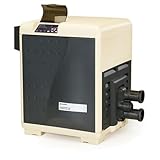 MasterTemp Pentair 250K Propane Gas Pool Heater MasterTemp Pentair 250K Propane Gas Pool Heater |
|
Check Latest Price |
 Pentair 125K Natural Gas Pool Heater Pentair 125K Natural Gas Pool Heater |
|
Check Latest Price |
 Raypak 150K Propane Gas Pool Heater Raypak 150K Propane Gas Pool Heater |
|
Check Latest Price |
1. Hayward H-Series 250K Natural Gas Pool Heater
Hayward H-Series Natural Gas Pool Heater for Inground Pools 250,000 BTU
250000 BTU natural gas
Digital LED control panel with self-diagnostics
29.5 x 25 x 24 inches
171 pounds
Low-NOx certified
Pros
- Digital control panel owners consistently praise for clarity and self-diagnostics
- Highest review volume in this group at 195 ratings
- Gas and electrical connections can be routed on either side
- Handles in-ground pools and spas up to 750 sq ft
Cons
- About 20 percent of reviews are 1-star
- Durability complaints pull the 4.0 average below the leaders
- 250000 BTU is modest next to the 400K models
The Hayward H-Series is the pick we keep coming back to because the evidence base under it is the deepest here. 195 owner ratings is more than three times what the next-most-reviewed heater in this group carries, and that is what lets us separate a real pattern from a handful of complaints.
What owners consistently like is the control panel. The digital LED display with self-diagnostic capability is described as intuitive in just about every write-up, and self-diagnostics genuinely matter when a heater is a few hundred feet from the equipment pad. Multiple gas and electric connection positions on either side of the cabinet also make it far easier to fit around an existing pad layout, which is where a lot of installs get stuck.
At 250000 BTU this is a mid-output heater, and for a pool in the 15000 to 20000 gallon range that is genuinely well matched. Owners running it against pools and spas up to 750 square feet report consistent setpoint holding once the water arrives at temperature.
There is a real caveat. Roughly a fifth of the reviews here are 1-star, and that slice is what drags the average to 4.0. If you are deciding between this and a higher-output Raypak, the deciding question is whether your pool is large enough that heat rise time matters more than the extra gas draw.
Who This Heater Suits
This is the one to buy if you want the safest default in the category: a large in-ground pool where steady, predictable temperature holding matters more than a dramatic first warm-up. The 195-rating base means you are buying a well-documented machine rather than a bet.
It is also the strongest choice for anyone with an awkward equipment pad, because those flexible connection positions can save a contractor hours of plumbing rework. For pool rooms and spas up to 750 square feet, the same platform covers the job.
Where It Falls Short
If fast heating is your literal top priority and you have a 30000 gallon pool, this is not the unit. 250000 BTU will get there, but the Raypak 406K below gets there in roughly half the time and holds the highest rating in the group.
Be aware of the durability pattern too. The 1-star reviews are not about noise or controls, they are about long-term reliability, and that is worth factoring in if you are on a tight maintenance budget or far from a service technician.
2. Raypak 266K Digital Natural Gas Pool Heater
Raypak 266,000 BTU Digital Electronic Ignition Natural Gas Pool Heater
266000 BTU natural gas
Intermittent spark ignition pilot
44 x 31 x 29 inches
210 pounds
Suitable for pools and spas
Pros
- Owners report about 3 degF per hour on a 32x16 in-ground pool
- Components are easier to service than most competitors and parts are widely available
- Exterior stays cool because it does not retain residual heat
- Existing gas
- electrical and plumbing connections can often be reused
Cons
- Temperature sensor and control board failures reported around the 18 to 24 month mark
- 210 pounds needs at least two people to move
- Warranty can be voided if not installed by a licensed technician
- Some reports of inconsistent factory quality control
This Raypak is the best value pick because it does two things well that the others do not: it heats quickly and it can be worked on. The 3 degrees per hour figure owners report on a 32×16 in-ground pool is faster than anything the Hayward manages, and it comes with the lowest service friction in the group.
The intermittent spark ignition pilot is worth understanding. The pilot only comes on when there is a call for heat, which means no standing flame wasting fuel between swim sessions, and the cabinet material does not retain residual heat after shutdown so you do not need metal heat sinks around the install.
Serviceability is the sleeper advantage. Owners consistently note that the components are easier to reach than on competing machines and that replacement parts are widely available, which matters a great deal when you are eight years into a heater’s life.
Reported heat rise lands this unit squarely in the fast-heating category for a medium pool. It is not going to double your pool temperature in an afternoon, but it is a strong step up from anything under 200000 BTU.
Who This Heater Suits
Pick this if you want fast heat-up and you plan to own the heater for a decade. The serviceability profile means the small failures that end most heaters are cheaper and simpler to fix here.
It is also the smart move for a straight replacement. Because existing gas, electrical and plumbing connections are often reusable, swapping an older Raypak for this one is one of the easier installs in the category.
Where It Falls Short
The 210-pound weight is the physical drawback. You will need at least two people to get it onto the pad, and that is not a job for an unprepared homeowner working alone.
The bigger warning is component longevity. Sensor and control board failures cluster around the 18 to 24 month mark, so keep the model number handy and expect to budget for electronics at some point. And if you install it yourself, assume the warranty is gone.
3. Raypak 406K Digital Natural Gas Pool Heater
Raypak 406,000 Btu Digital Natural Gas Pool Heater with Cupro Nickel
406000 BTU natural gas
Cupro-nickel heat exchanger
Microprocessor controlled thermostat
44 x 34 x 31 inches
Built-in digital thermometer
Pros
- Highest average rating in this group at 4.4
- Owners report 80 to 84 degF in under two hours on 30000-35000 gallon pools
- Quiet operation despite the output
- Microprocessor controlled thermostat with built-in digital display
Cons
- Highest purchase price of the six
- Consumes more gas than the smaller heaters on a full-output run
- Self-installation voids warranty coverage
- One unit had a blank LCD until a software reset
This is the fastest heater we could find in the category, and the owner numbers back that up rather than just the spec sheet. Multiple owners running 30000 to 35000 gallon pools report hitting 80 to 84 degrees in under two hours, which is a heat rise nothing else in this group approaches.
It also carries the highest average rating here at 4.4, with 72 percent of reviews at five stars. On raw performance and owner satisfaction together, there is no close second.
The cupro-nickel heat exchanger is the specification we would pay for if we were specifying a professional install. Copper-nickel resists the corrosion that eats stainless heat exchangers in chlorinated and mildly salty water, and the pagoda-style cabinet is built to stay functional in harsh weather.
The microprocessor thermostat and built-in digital thermometer give you the same at-a-glance temperature read and self-diagnostic behaviour you would expect from a much more expensive unit. One owner reported completing a self-install in a single day.
Who This Heater Suits
This is the correct answer for a large in-ground pool in a cold or shoulder-season climate, especially if you plan to host people and want the water warm the same day. Nothing else on this list gets you there faster.
It also makes sense for anyone running a salt system or dealing with aggressive water chemistry, because the cupro-nickel exchanger simply outlasts its alternatives when chemistry drifts.
Where It Falls Short
It is the most expensive heater in the group, and the running cost of a full-output burn is higher than anything else here. Fast heat-up is a per-hour cost, not a free benefit.
Self-installation is the trap. Owners who did it report it can be done in a day, but the warranty does not survive it, and with a unit this size the plumbing and gas work is not trivial. One unit also needed a software reset before its LCD display came alive.
4. MasterTemp Pentair 250K Propane Gas Pool Heater
MasterTemp Pentair EC-462027 250,000 BTU Propane Gas Pool Heater
250000 BTU propane
Premix combustion technology
35.5 x 29.8 x 23 inches
147 pounds
Certified for indoor and outdoor installation
Pros
- Premix combustion delivers fast warm-ups for a 250000 BTU unit
- Rust-proof exterior suits harsh outdoor environments
- Rotatable controls make it flexible to install
- Certified for both indoor and outdoor installation
Cons
- Only 15 ratings
- so the 3.7 average is thin evidence
- 33 percent of reviews are 1-star with leak and heating drum reports
- Warranty claims denied after leaks
- Error codes reported on first firing
The Pentair MasterTemp propane model is the pick for anyone without a natural gas line. Propane means no line install, no meter capacity check and no utility coordination, which on most projects is the difference between a two-week install and a same-day one.
Premix combustion technology is what makes this quick for its rating. Owners describe warm-ups as faster than expected for a 250000 BTU propane unit, and the built-in safety features plus rotatable operation controls give real flexibility in tight equipment areas.
It is also the only heater here certified for indoor and outdoor installation, which matters if you are building a pool room rather than an open deck. The rust-proof exterior is a genuine asset in coastal air.
Who This Heater Suits
If your property has no natural gas service, this is the straightforward answer. Propane tanks are the whole fuel system, and a straight swap-in install is realistic if the existing plumbing matches.
It also fits indoor pool rooms and sheltered installations where an outdoor-only cabinet would be a problem, and the 147-pound weight is manageable for a two-person move.
Where It Falls Short
The evidence here is thin. 15 ratings is the smallest sample in this roundup, so treat the 3.7 average as provisional rather than settled, and 33 percent of those reviews are 1-star.
The complaints that matter are about leaks and a burned-out heating drum inside the warranty window, plus warranty claims being denied after a leak. Owners also report error codes on first firing. If you cannot tolerate that risk profile, the Raypak propane option below has a much larger feedback base.
5. Pentair 125K Natural Gas Pool Heater
Pentair EC-462024 -Natural Gas 125K Heater – Limited Warranty
125000 BTU natural gas
82 percent energy efficiency
36 x 25 x 22.5 inches
20 pounds
1-1/2 in plumbing connection
Pros
- 82 percent energy efficiency
- the highest figure in this group
- Pre-mixed combustion technology for quick heat-up
- Only 20 pounds
- so it is the easiest to handle
- 1-1/2 in plumbing suits aboveground pools
- spas and pools up to 15000 gallons
Cons
- 3.4 average is tied for the lowest here
- 29 percent of reviews are 1-star
- Cracked manifolds and leaks reported after about two years
- One unit failed to ignite at all after professional installation
This Pentair is the efficiency winner and the small-pool specialist. 82 percent energy efficiency is the highest number in this group, and the pre-mixed combustion technology delivers heat-up speed that punches well above its 125000 BTU rating.
It weighs 20 pounds, which makes it by far the easiest to move and the easiest to fit behind an aboveground pool wall. The 1-1/2 inch plumbing connection is sized for smaller bodies of water, rated for aboveground pools, spas and in-ground pools up to 15000 gallons.
It is also the cheapest way into gas heating, both in hardware and in gas consumed. If your pool is under 10000 gallons and you mostly want to extend the season by a few weeks, this does the job at a fraction of the fuel draw of a 400K burner.
Who This Heater Suits
Aboveground pool owners, plunge pools, spas and anything under 15000 gallons. The light weight and compact footprint solve the fitting problem that stops people installing gas at all.
It is a reasonable second heater for a small pool where you want supplemental heat on a cool weekend without committing a high-BTU unit to the pad.
Where It Falls Short
If you came here for fast heating of a large pool, this is the wrong heater. At 125000 BTU it will not move a 20000 gallon pool quickly, and a commenter who tried a 16000 BTU unit on a big pool found it underpowered and barely helpful. Under-sizing is a real failure mode.
The 3.4 average here is tied for the lowest in this roundup, with 29 percent of reviews at 1-star. Cracked manifolds and leaks after about two years are the recurring reports, and one unit failed to ignite at all after professional installation with slow seller and manufacturer response. That support record is the biggest reason to look elsewhere first.
6. Raypak 150K Propane Gas Pool Heater
Raypak 014786-156A Propane Gas Pool Heater 150K BTU for 0-1999ft Elevation
150000 BTU propane
Rated for 0-1999 ft elevation
32 x 30 x 16 inches
115 pounds
Suitable for pools and spas
Pros
- Easiest like-for-like swap for an existing older Raypak propane heater
- Quiet operation and clean ignition
- Owners report it usefully extends the pool season
- Lightweight at 115 pounds
Cons
- 3.4 average
- tied for the lowest here
- 30 percent of reviews are 1-star
- Recurring roll-out switch and fuse failures
- About 2 degF per hour reported on a 10000 gallon pool
This is the repair-driven pick rather than the performance pick. If you already own an older Raypak propane heater and it has reached the end of its life, this is close to a drop-in replacement, and owners with older Raypak units describe the install as straightforward.
It is also quiet with clean ignition, which owners mention as a genuine quality-of-life improvement when the heater sits next to a patio. At 115 pounds it is one of the lighter propane options, and it is rated for pools and spas up to 0 to 1999 feet of elevation.
Owners do report it usefully extends the pool season. That is a real benefit, but it is a modest one, and it belongs to the same category of outcome as a solar blanket rather than a proper fast heat-up.
Who This Heater Suits
Existing Raypak propane owners replacing a failed unit, full stop. The brand and form factor compatibility is the entire argument here, and it avoids the gas line and plumbing rework that switching brands creates.
It also suits a small aboveground pool on propane where fuel cost per session matters more than heat-up speed.
Where It Falls Short
Heat rise is the problem. Owners report about 2 degrees per hour on a 10000 gallon pool, which is the slowest figure in this roundup and firmly outside the fast-heating brief.
The electrical side is also the recurring weak point, with repeated roll-out switch and fuse failures, and 30 percent of reviews are 1-star against a 3.4 average. Some units also arrived with unresolved fuel-line connection issues and difficult freight returns, so inspect the fuel connection carefully on arrival.
How to Size BTUs for Fast Heating
The rule is simple: for fast heating, buy the largest BTU rating you can justify, and treat 100000 BTU per 10000 gallons as a floor rather than a target. A 400000 BTU heater on a 20000 gallon pool will add roughly 20 degrees in about 10 to 12 hours with a pool cover, which is the only genuinely same-day result available in this category.
The math behind it is not complicated. Water weighs about 8.34 pounds per gallon and takes 1 BTU to raise each pound by 1 degree, so a 20000 gallon pool being lifted 20 degrees needs roughly 3300000 BTU before you account for heat lost to the air and through the plumbing.
Get your pool’s actual volume in gallons, not the nominal figure on the wall.
Decide your realistic temperature rise, usually 15 to 20 degrees for a swim temperature in the 80s.
Multiply gallons by 8.34, then by the temperature rise, to get the total BTU needed.
Divide by your available heating hours, then add 20 to 30 percent for heat loss to the atmosphere.
Round up to the next available heater rating, not down to the cheapest one.
As a rough sizing guide, 100000 to 150000 BTU suits pools up to about 10000 gallons, 250000 to 266000 BTU suits 15000 to 20000 gallons, and 400000 BTU and above is for 25000 gallons and up. The 30 percent heat-loss allowance is what separates a heater that finishes a session from one that is still climbing when your guests arrive.
This is exactly the consensus you will read from people who do this for a living. Installers on r/pools repeat the same line, and a pool-service expert on JustAnswer said they always prefer to choose a 400 size from any heater brand because it heats quickly and uses less gas overall.
Natural Gas vs Propane for Fast Heating
Choose natural gas if the property already has a gas line you can use. It is cheaper per heat-up session, the fuel never runs out mid-swim, and there is no tank to refill. Propane makes sense if there is no line, and a 400000 BTU propane heater burns roughly 4.2 gallons of propane per hour at full output.
That consumption figure is worth sitting with. A single long heat-up session on propane can run into many gallons, which is why propane is usually the fuel of choice for occasional rather than daily heating.
Propane also has logistics. You need a tank, you need it sized for the burn rate, and you need a refill plan. For a one-time fast warm-up before a party, a full propane tank is far less infrastructure than a new gas line run.
Gas Line and Meter Capacity: The Install Blocker Nobody Mentions
A 400000 BTU heater needs a properly sized gas line, typically 3/4 inch, and a meter with adequate capacity. If either is undersized, the burner will not reach full firing rate and can carbon up, which is both a performance failure and a fire risk.
This is the number one real-world blocker in the pool forum threads, and it is the piece almost no buying guide mentions. Multiple discussions on heatinghelp.com and plbg.com describe heaters that fail to fire after a meter upgrade or a long line run, and the repeated warning is that an undersized gas line can carbon the burner and create a genuine hazard.
Two more practical notes before you buy. Newer gas meters with different pressure and capacity ratings can be incompatible with older heaters, so confirm the meter specification matches the appliance. And a flow switch fouled with debris causes short-cycling and intermittent no-heat behaviour, which owners on poolpad.com threads describe in detail. If you keep the water chemistry balanced, the switch stays clean.
Small pools get a different version of this problem. Owners report that a small pool with a variable speed pump may need the pump RPM raised to move enough water through a high-BTU heater, and inadequate flow is a leading cause of a heater that runs but never heats.
Gas vs Heat Pump: When Gas Is the Wrong Buy
Buy a heat pump if you swim every day and want the lowest possible running cost. A heat pump moves heat rather than generating it, giving a coefficient of performance of roughly 3.0 to 5.0, while a gas heater converts fuel at about 84 to 85 percent combustion efficiency. That gap is the entire efficiency argument.
Buy gas if you swim occasionally, if you live somewhere heat pumps cannot keep up, or if you need the pool warm the same day you decide to swim. Aboveground pool owners in colder climates tend to end up on gas for exactly this reason, because a heat pump that stalls below 60 degrees ambient is no heater at all.
A common hybrid setup uses gas as the fast backup and a solar blanket for steady-state daily heat retention. The cover is doing a lot of work there, since it can cut heat loss dramatically, and the heater only fires for the initial climb.
What Fails First and How Long a Gas Pool Heater Lasts
The most common cause of a gas heater that runs but does not heat is a fouled flow switch, followed by a failed igniter, a bad thermostat, a blower motor problem and worn gaskets. The first two account for most service calls, and both are cheap parts.
Heat exchanger corrosion is the expensive one. Scaling and corrosion on the heat exchanger are what end most heaters, and unbalanced water chemistry accelerates both. Keeping chemistry inside spec is the single highest-leverage maintenance task you have.
On lifespan, expect a decade or more from a well-maintained gas heater with a copper or cupro-nickel heat exchanger, and considerably less from one running in hard water with poor chemistry. A practical rule: when repair costs start approaching half of replacement cost, replace the heater rather than repair it. If your phone is playing up while you wait for the water to heat, our [guide to earbud battery drain](https://www.puritybymonster.com/why-does-my-earbud-battery-drain-so-fast/) is the other thing worth fixing this weekend.
Brand Verdict: Hayward vs Raypak vs Pentair
Between Hayward and Raypak, Raypak wins on heat-up speed and serviceability while Hayward wins on evidence volume and control ergonomics. Raypak owners report the faster heat rise figures in our data, and they report easier service access. Hayward has 195 ratings supporting its 4.0 average, more than any other heater here, and its digital panel is consistently praised.
Pentair occupies an awkward middle. The 82 percent efficiency on the small 125K model is the best efficiency figure available, and the brand has the strongest installer recommendation in the forum data. But both Pentair units here carry lower averages, 3.7 and 3.4, and both have recurring leak and manifold reports.
On which brand is most reliable, the honest answer is that this category has no clean winner and reliability is more about installation and chemistry than about the badge. Every one of these heaters has owners reporting mid-life failures. The heater that gets balanced water, adequate flow, a properly sized gas line and annual service is the reliable one, whatever brand is on the cabinet.
Frequently Asked Questions
What size gas line do I need for a 400,000 BTU pool heater?
A 400,000 BTU heater typically needs a 3/4 inch gas line, and a meter with capacity to handle the full firing rate. If the line is undersized or too long, the burner will not reach full output and can carbon up, which is a performance and safety problem. Confirm the meter specification matches the appliance before you buy.
How many BTU do I need to heat a 10,000 gallon pool?
For a 10,000 gallon pool, 100,000 to 150,000 BTU is the usual range if you want fast heat-up. Treat 100,000 BTU as a floor rather than a target and size upward if you want the pool warm within a day rather than over a long afternoon.
How many BTUs do I need for a 25,000 gallon pool?
A 25,000 gallon pool is sized for 400,000 BTU or higher if fast heating is the goal. Installers almost universally recommend going to the largest rating you can justify, because a bigger burner clears the same temperature rise in less runtime and therefore uses less fuel overall.
How do I size a gas pool heater?
Get the true pool volume, multiply gallons by 8.34 and by your target temperature rise, then add 20 to 30 percent for heat loss. Divide by your available heating hours and round up to the next available heater rating. For fast heating, treat 100,000 BTU per 10,000 gallons as a floor, not a target.
What is the most reliable gas pool heater?
There is no clean winner at the brand level, because every brand in this roundup has owners reporting mid-life failures. Reliability comes down to balanced water chemistry, adequate flow through the heater, a properly sized gas line and annual service. Raypak units here lead on reported heat-up speed and serviceability.
What is the average life expectancy of a pool heater?
A well-maintained gas pool heater with a copper or cupro-nickel heat exchanger can run for a decade or more. Hard water and poor chemistry shorten that sharply by scaling and corroding the heat exchanger. When repair costs approach half of replacement cost, replacing the heater is usually the better call.
Final Verdict for 2026
The Hayward H-Series 250K is our best gas pool heater for fast heating overall. With 195 owner ratings behind it, the clearest control panel in the group and a 4.0 average that reflects real long-term feedback, it is the pick we would put on a 15000 to 20000 gallon in-ground pool without hesitation.
If your pool is 25000 gallons or larger and you need the water warm today, the Raypak 406K is the faster answer, with the highest average rating in the group and a cupro-nickel heat exchanger built for punishing water chemistry. For a property with no gas line, the Pentair MasterTemp propane unit removes the line install entirely.
Whatever you choose, size to 400000 BTU where you can, get the gas line verified before the installer starts, and use a pool cover on every heat-up session. The heater does the fast part, the cover does the cheap part, and that combination is what actually gets you a warm pool tonight.